Credit cards have evolved into indispensable financial instruments that offer convenience, security, and valuable benefits when managed properly.
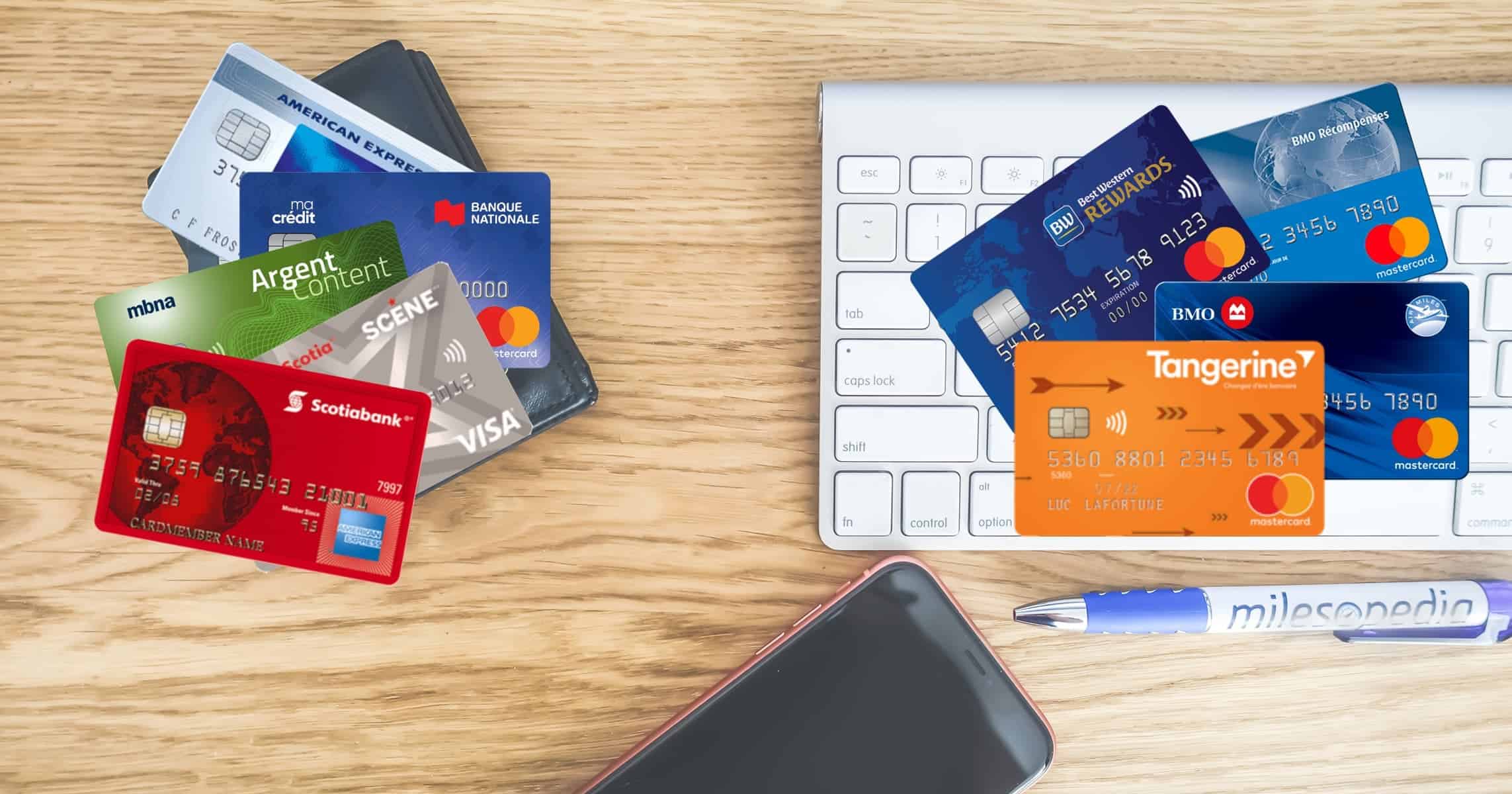
The foundation of credit card mastery begins with understanding core mechanics. These plastic payment tools operate as revolving lines of credit with predetermined spending limits, requiring minimum monthly payments typically ranging from 1-3% of the outstanding balance. The annual percentage rate (APR), averaging between 15-25%, determines borrowing costs when carrying balances, though most cards offer 21-25 day grace periods where no interest accrues on new purchases if the previous balance was paid in full.
Key components that demand attention include the credit limit, which establishes spending boundaries; the billing cycle that defines the monthly statement period; and various potential fees for late payments, cash advances, or foreign transactions.
Modern credit cards fall into several distinct categories, each designed for specific financial needs and goals. Rewards cards, perhaps the most popular variety, offer cash back (typically 1-5% on purchases) or travel points that can be redeemed for airline miles and hotel stays. For those establishing or repairing credit, secured cards requiring deposits, student cards with lenient requirements, and specialized subprime products serve as valuable tools. Premium cards cater to affluent users with luxury perks like airport lounge access and concierge services, while balance transfer cards provide introductory 0% APR periods lasting 12-18 months to help consolidate and eliminate existing debt.
Effective credit card management hinges on disciplined financial practices. Paying statement balances in full each month remains the golden rule, preventing interest charges and maintaining financial health. Keeping credit utilization below 30% of available limits positively impacts credit scores, as does establishing consistent payment patterns through reminders or automatic payments.
Regular statement reviews help detect errors or fraudulent activity early, while avoiding cash advances prevents unnecessary fees and higher interest costs. These practices collectively contribute to building strong credit, with payment history (35% of FICO scores) and credit utilization (30%) carrying the most significant weight in credit scoring models.
Advanced users can optimize credit cards by strategically stacking rewards through shopping portals, capitalizing on lucrative sign-up bonuses, and utilizing built-in protections like extended warranties and purchase coverage. Modern security features including EMV chip technology, virtual card numbers, and robust fraud monitoring provide peace of mind in an era of increasing digital transactions.
Ultimately, credit cards represent powerful financial tools whose value depends entirely on the user's knowledge and discipline. By selecting appropriate products, maintaining responsible usage habits, and fully understanding terms and conditions, consumers can transform simple plastic cards into valuable assets that enhance their financial flexibility and security.