🔒 Did you know buildings with proper access control experience 40% fewer security breaches? These intelligent systems are transforming how we protect spaces and assets in today's interconnected world.
What Are Access Control Systems?
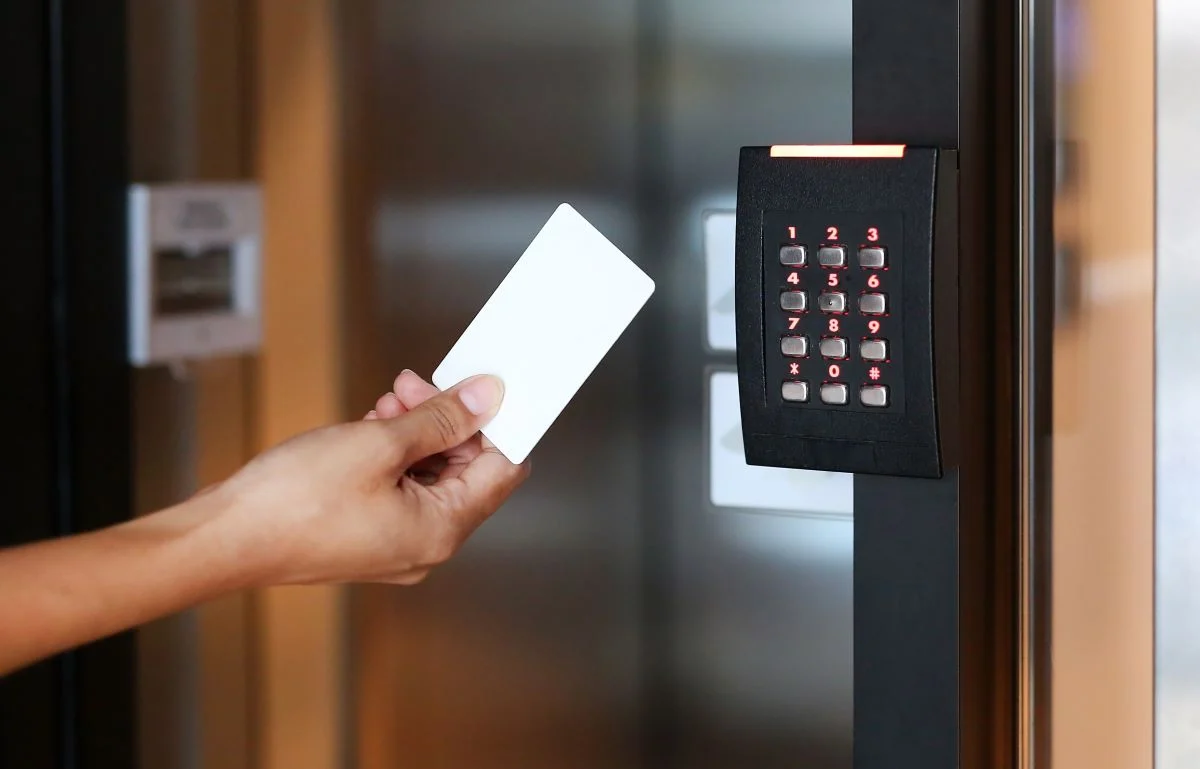
Access control systems serve as digital gatekeepers, managing entry to physical and virtual spaces. Unlike traditional locks, these systems verify identities through advanced methods like biometric scans, key cards, or mobile credentials before granting access.
Modern solutions range from single-door electronic locks to networked systems managing multiple entry points across locations. The most sophisticated versions offer real-time monitoring and remote management capabilities, providing complete visibility over who enters or exits a secured area.
Key System Types Explained
Three primary access control models address different security needs:
• Discretionary Systems (DAC): Resource owners manage access permissions, offering flexibility for smaller environments where users share trust.
• Role-Based Systems (RBAC): Access privileges align with specific responsibilities, ideal for organizations needing structured permission levels.
• Attribute-Based Systems (ABAC): Advanced models evaluating multiple factors like time, location, and device status before granting access.
Why Modern Security Demands These Systems
Contemporary access solutions deliver multiple advantages beyond basic security:
📊 Detailed Activity Tracking: Systems maintain comprehensive logs of all access attempts, providing valuable data for security audits and incident investigations.
🔄 Seamless Integration: Modern platforms connect effortlessly with other security components like surveillance cameras and alarm systems, creating comprehensive protection networks.
📱 Mobile Convenience: Many current systems eliminate physical credentials, allowing smartphone-based access that's both secure and convenient.
Addressing Common Concerns
Several misconceptions prevent wider adoption of these security solutions:
⚖️ Cost Perception: While advanced systems require investment, scalable options exist for various budgets, often proving more cost-effective than traditional security measures over time.
🛠️ Complexity Fears: Today's intuitive interfaces and cloud-based management make system operation straightforward, with many solutions designed for easy self-administration.
Selecting the Right Solution
Choosing an appropriate system involves careful consideration:
Security Assessment: Identify vulnerable entry points and determine necessary protection levels.
User Experience: Consider how credentials will be issued and managed for all users.
Future Growth: Select systems that can expand alongside your evolving security needs.
Reliability: Prioritize solutions with strong technical support and dependable performance.
The Future of Secure Access
Access control systems have become indispensable in our security landscape, offering intelligent protection that adapts to modern challenges. From fingerprint scanners to AI-powered monitoring, these solutions provide robust defense while simplifying access management.
By understanding the available options and their benefits, you can implement a system that not only secures your premises today but remains effective as security needs evolve. The right access control solution brings peace of mind through smart, adaptable protection.