🌳 Tree pruning is a highly skilled and deliberate process that combines horticultural knowledge with precise physical work. Each carefully considered cut directly impacts the tree's future development, structural integrity, and overall health.
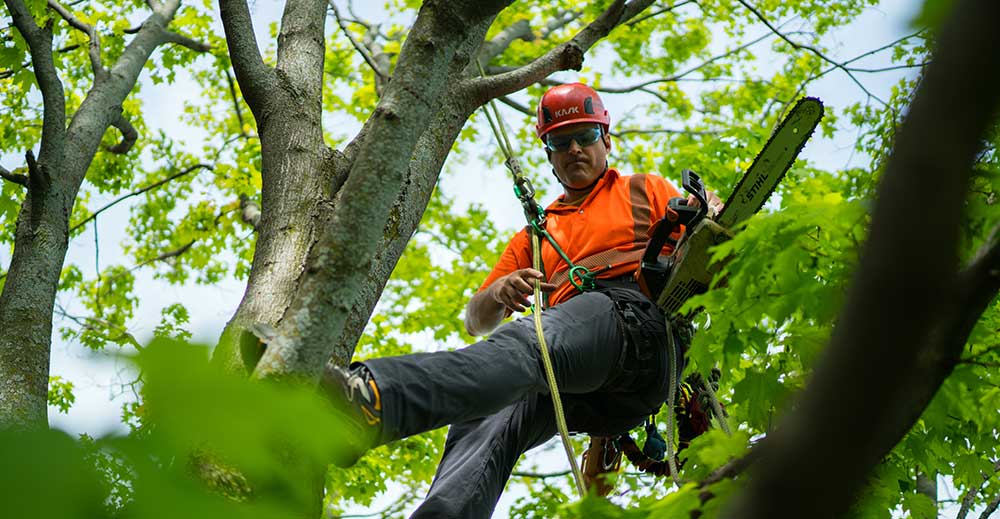
✂️ The pruning process begins with a comprehensive assessment of the tree's condition. Experienced practitioners conduct thorough visual inspections from multiple angles, identifying deadwood, diseased limbs, crossing branches, and structural weaknesses. They evaluate growth patterns, noting branches with included bark or dangerous attachment angles that could fail under stress. This diagnostic phase determines the specific pruning requirements for each unique tree.
⏳ Proper timing is absolutely critical in pruning work. While most deciduous trees benefit from winter pruning during dormancy, different species have particular requirements. Spring-flowering trees, for instance, should be pruned immediately after blooming to avoid removing next season's flower buds. Emergency pruning may become necessary after severe weather events when broken limbs pose immediate hazards. The work must be paced carefully - rushing can lead to improper cuts that may take years for the tree to compartmentalize and heal.
🛠️ The quality of pruning work depends heavily on using the right tools correctly. Handsaws, pole pruners, loppers, and shears must be maintained razor-sharp to create clean cuts that heal efficiently. Tools should be disinfected between trees, especially when working with diseased specimens. Workers must constantly assess their positioning and cutting angles to ensure both their personal safety and the tree's optimal healing response. For larger branches, the three-cut technique prevents bark tearing and promotes proper wound closure.
🌿 Different pruning methods serve specific purposes:
Crown cleaning removes dead, dying, or diseased wood
Crown thinning improves light penetration and air circulation
Crown raising provides clearance for pedestrians and vehicles
Crown reduction decreases wind resistance in storm-prone areas
Vista pruning creates desired views while maintaining tree health
Each technique requires understanding how trees respond to wounds and compartmentalize decay.
⚠️ Safety considerations permeate every aspect of pruning work. Proper personal protective equipment - including helmets, eye protection, and cut-resistant clothing - is essential. Workers must evaluate site conditions for electrical hazards, unstable terrain, or nearby structures. Rigorous attention to drop zones and work area security protects both property and bystanders. The physical demands of pruning work require proper training in climbing techniques, equipment use, and aerial rescue procedures.
🌳 Post-pruning care completes the cycle of professional tree maintenance. Larger cuts may benefit from proper shaping and, in some cases, protective treatments. The work area requires thorough cleanup to remove all debris and potential tripping hazards. Follow-up monitoring helps assess the tree's response to pruning and determines if additional work will be needed in subsequent seasons.
In conclusion, professional tree pruning represents a perfect marriage of scientific understanding and practical skill. This demanding work requires extensive knowledge of tree biology, keen observational skills, physical endurance, and meticulous attention to detail. When performed correctly by knowledgeable practitioners, pruning extends tree lifespan, enhances safety, improves aesthetics, and maintains the ecological benefits that trees provide. Each properly pruned tree stands as living testament to this careful, deliberate craft - a living sculpture that will grow more beautiful with each passing year. 🌳✨🔧 The true art of pruning lies not in what is removed, but in what remains and how it flourishes.